Is It Safe to Buy TikTok Accounts? An Honest Risk Assessment
Is Buying TikTok Accounts Against TikTok’s Rules?
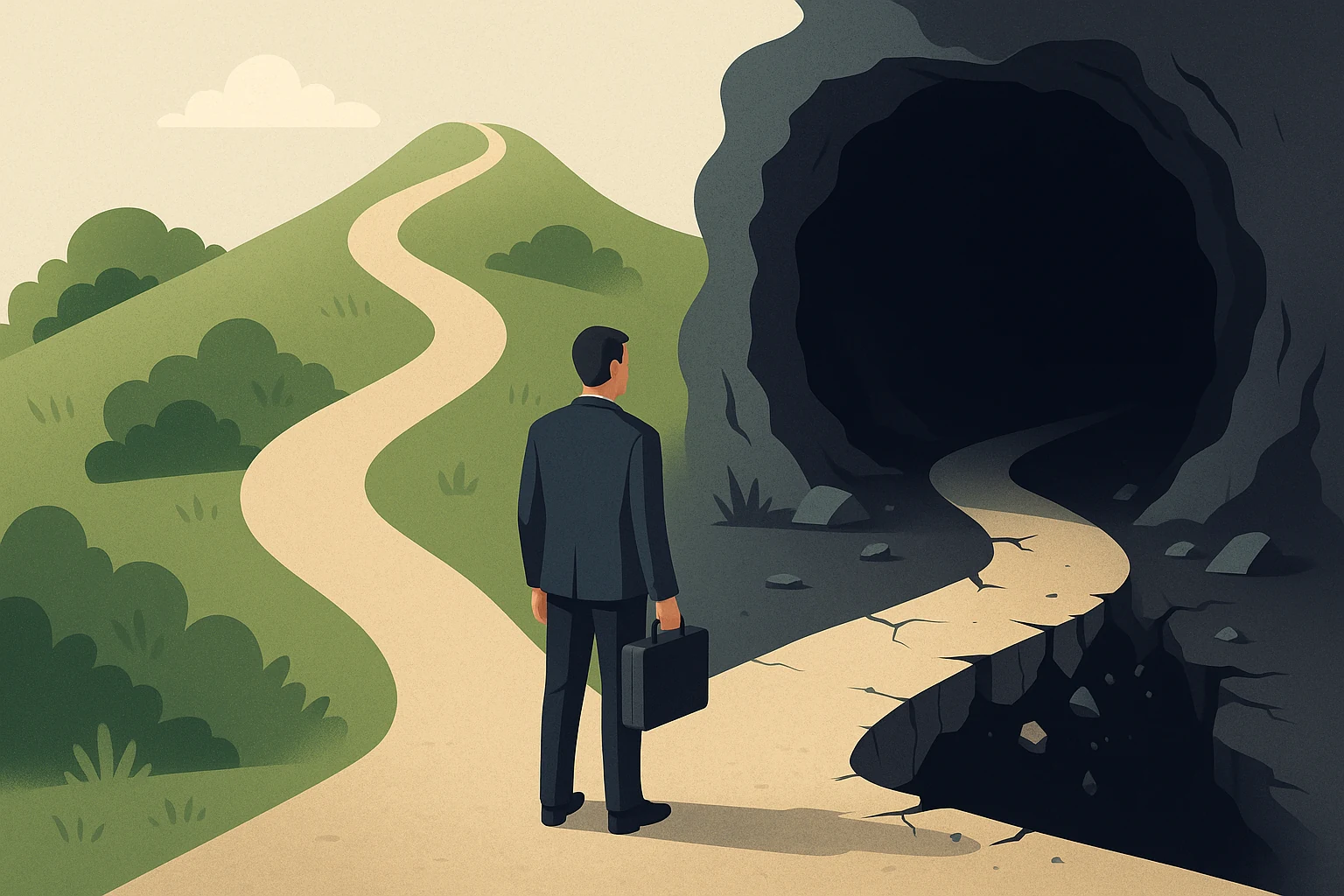
Buying or selling a TikTok account directly goes against the platform’s official Terms of Service and Community Guidelines, making it a very risky practice. TikTok clearly states that accounts are personal and can’t be transferred. This means any attempt to sell, license, or purchase an account or its data is a direct breach of the agreement users make when joining the platform. This policy helps keep the user experience genuine.
TikTok’s Terms of Service, last updated in January 2026, plainly forbid distributing, licensing, transferring, or selling any part of its services or related works. The platform’s Community Guidelines also make it clear, prohibiting any form of spam or fake engagement, including buying or selling followers, likes, or entire accounts. These rules apply to everyone, showing TikTok’s dedication to real interactions.
Consequences of Violation
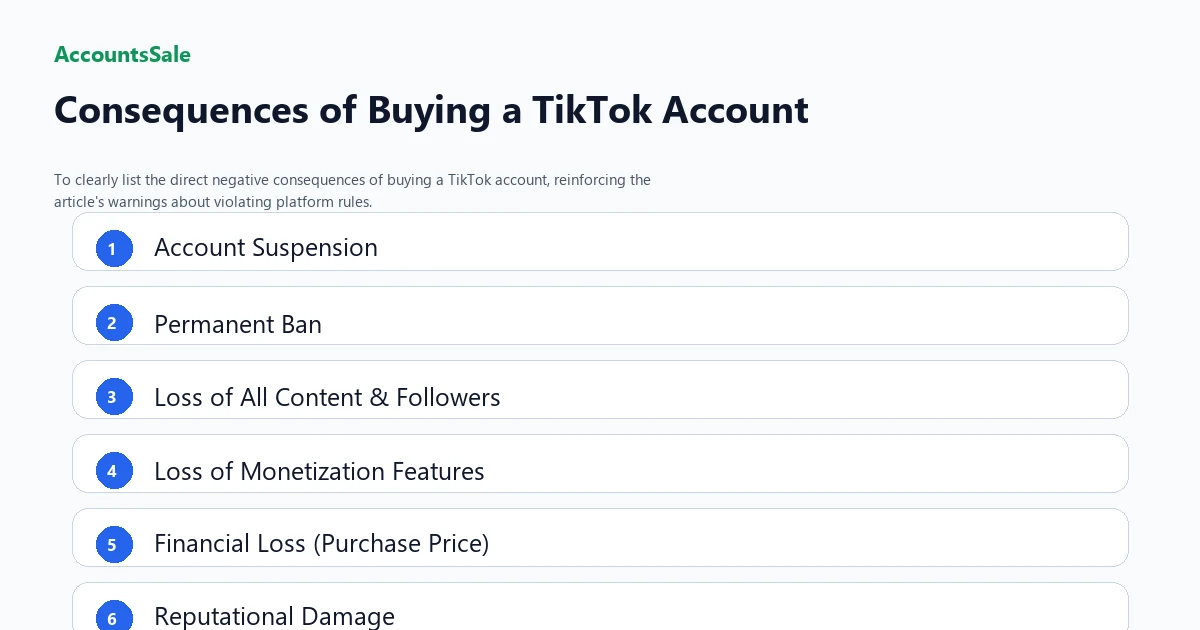
Breaking TikTok’s policies can lead to serious consequences, from a temporary account suspension to a permanent ban. TikTok uses advanced technology and human reviewers to find and deal with these breaches. Their detection systems don’t just look at new login locations; they also track behavioral patterns, content changes, and other red flags that point to a new owner or fake activity.
When an account is flagged for violations, the consequences can include restrictions on content, features, or monetization. TikTok’s former Creator Fund is no longer available and was replaced by Creator Rewards; eligibility for the current program depends on country, age, account standing, follower and view thresholds, and qualifying original content. A seller’s old eligibility screenshot does not prove that monetization will remain available after a transfer.
Why Do People Consider Buying TikTok Accounts Anyway?
Despite the clear risks and policy violations, many individuals and businesses are still drawn to the idea of buying TikTok accounts. They’re often looking for quick growth and instant influence. The intense competition on TikTok, where creators constantly vie for attention and trends evolve quickly, can make organic growth seem like a tough, slow process. For those seeking a shortcut, buying an established account seems like a way to skip the hard work of building a real following.
This shortcut promises immediate visibility and an existing audience, which is especially tempting for brands or individuals chasing instant “influencer” status. Businesses might see it as a fast track to market entry, hoping to use a pre-existing follower base for product launches or brand exposure. It’s a way to avoid the consistent content creation, audience engagement, and patience that organic growth truly requires. Many buyers are simply unaware of the risks involved, lured by the idea of overnight success and a ready-made audience.
Sellers frequently promote accounts with promises of “high-quality,” “aged,” or “monetized” profiles. They may advertise a current monetization dashboard or other income-related feature while promising a smooth transition and guaranteed engagement. Those claims create unrealistic expectations: eligibility, reach, and revenue can change, and each feature must be verified separately.
What Are the Real Risks of Buying a TikTok Account?
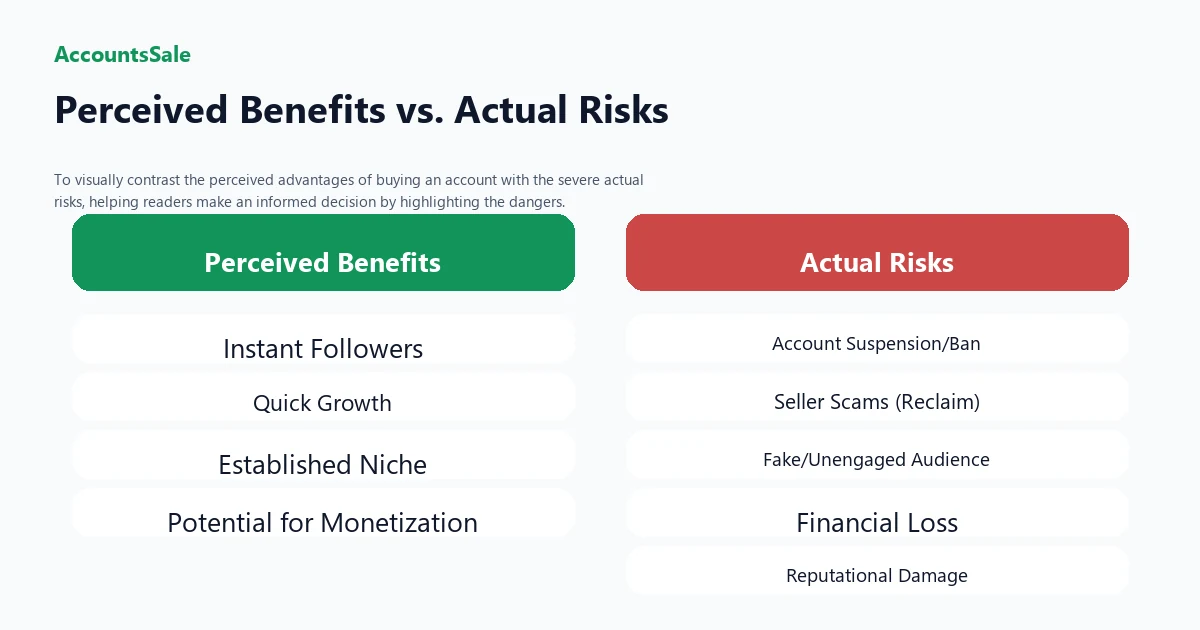
The risks of buying a TikTok account go far beyond just breaking platform rules, including financial loss, damage to your reputation, and In practice, an ineffective presence. The most immediate and common outcome is the suspension or permanent ban of the purchased account. TikTok’s smart algorithms and moderation teams are designed to detect suspicious activities like sudden changes in login patterns, device IDs, or content themes, which are all clear signs of an account transfer. Once detected, the money invested in the account is instantly lost, along with any content created or posted on it.
Beyond platform enforcement, buyers are very vulnerable to scams and fraud. It’s common for sellers to reclaim the account shortly after the sale is completed, leaving the buyer with no account and no way to get a refund. Payment fraud, non-delivery of the promised account, phishing attempts, and even identity theft are common worries in this unregulated market. The Federal Trade Commission (FTC) reported that scams starting on social media accounted for the highest total reported losses in 2023, at $1.4 billion, showing the widespread financial risks of online deals, especially in unofficial markets.
Purchased accounts frequently come with inflated follower counts made up of bots or inactive users, leading to very low engagement despite a high number of followers. Studies by analytics firms like HypeAuditor show that accounts with many fake followers usually see engagement rates under 5%, making them useless for real marketing or influence. This directly impacts organic reach and credibility, as the algorithms prioritize genuine interaction. A brand or individual found to be using an account with a dubious follower history can face serious damage to their reputation and a lasting loss of authenticity, eroding trust with their audience.
How Can You Vet a TikTok Account Before Buying? (A Due Diligence Checklist)
Careful vetting is key when thinking about buying any digital asset, especially a TikTok account, to cut down on the risks. Without a strong vetting process, buyers can easily end up with fake or useless accounts. This checklist offers a clear way to check an account’s health and authenticity.
Start by conducting a thorough Follower Analysis. Examine the follower growth patterns for any sudden, unnatural spikes, which are real red flags indicating purchased or bot followers. Use third-party tools like HypeAuditor or Social Blade to look at past data, spot bot activity, and check audience quality. Make sure the follower demographics (age, location, interests) truly match the account’s niche. A genuine account will show steady, organic growth rather than erratic bursts.
Next, dig into Engagement Metrics beyond just likes. Analyze the quality and relevance of comments, share rates, and video views relative to the follower count. A high follower count with very low engagement for its size points to inactive or fake followers. Be wary of generic or repetitive comments, which often indicate engagement pods or bought interactions. Calculate the average engagement rate (total likes, comments, and shares divided by follower count, all multiplied by 100) to gauge true audience interaction.
Evaluate the Content Authenticity and History of the account. Review past videos for consistency in theme, originality, and quality. Look for any signs of shadowbanning, such as unusually low views on recent posts despite previous popularity, or sudden shifts in content style that do not align with a natural creator evolution. Verify that the content niche and quality are sustainable and genuinely appealing. Finally, when dealing with a seller, verify their reputation and reviews on marketplaces. Request solid proof of ownership, such as screenshots of the TikTok Creator Tools dashboard or analytics, directly from the account to confirm real access and how it’s performing.
What practical checks should you make with the seller? Ask them to explain the account’s history, traffic source, last niche change, and recovery email status in plain language. If their answer is vague, the follower count alone isn’t enough to make the deal safe.
The handover details matter more than the headline number. A buyer should know which email owns the account, which devices recently logged in, whether any third-party profiles remain connected, and how the seller will prove those links are removed.
What Happens After You Buy a TikTok Account? (Post-Purchase Integration & Security)
Successfully integrating a purchased TikTok account involves more than just changing login details; it requires a smart plan for security and content changes to keep things smooth and audiences engaged. The immediate priority after acquiring an account is setting up a secure transfer. This means promptly updating the associated email address, phone number, and password to new, secure credentials that only you control. Make sure to enable Two-Factor Authentication (2FA) with your new credentials. This adds a vital layer of security, making it much harder for the original owner to reclaim the account or for unauthorized access to occur. Disconnecting any linked third-party apps is also key, as these can often provide backdoors for previous owners to regain access.
After securing an authorized account, any rebrand should be transparent to the audience and comply with TikTok’s policies. A gradual content change may reduce audience confusion, but it does not “retrain” the algorithm in a guaranteed way. Current monetization programs and LIVE Gifts have separate eligibility rules and should be rechecked in the account; prior access does not transfer as a promise of future access or revenue.
Are There Legal or Ethical Concerns Beyond TikTok’s ToS?
Beyond TikTok’s explicit Terms of Service, buying and selling social media accounts involves a tricky mix of legal and ethical issues buyers need to grasp. While there are generally no specific laws in the United States directly prohibiting the buying or selling of social media accounts, these transactions almost always breach the platform’s terms of use, creating a “legal gray area” where the primary risk is platform enforcement rather than state or federal prosecution. However, this unclear situation doesn’t remove wider legal issues, especially around who owns digital assets. The legal status of social media accounts as digital assets is still developing. Ownership disputes or original sellers trying to reclaim accounts can be tough to sort out, particularly across different countries.
For businesses, they might face tax implications from an acquired account’s value or future earnings, which could need to be declared. Misrepresenting influence or audience size, especially with fake followers, could catch the eye of regulators like the Federal Trade Commission (FTC). They actively watch for deceptive advertising and endorsement practices. That kind of misrepresentation could lead to fines or other penalties, hurting a brand’s credibility.
Ethically, the practice raises questions about brand integrity and consumer trust. If an account’s purchase comes out, it can seriously harm a brand’s reputation, as consumers increasingly value authenticity and transparency from creators and businesses. The broader impact on the creator economy is also a concern; buying accounts undermines the hard work of creators who build genuine audiences organically, potentially devaluing authentic engagement. Transparency with the audience, even if not legally mandated, can be a key ethical point for long-term brand health.
Is There a “Safer” Way to Acquire a TikTok Account?
While buying a TikTok account always comes with risks because of platform policies, some steps can lessen the dangers if you still decide to go ahead. To cut down on these risks, primarily use reputable marketplaces that put buyer and seller protection first. Platforms that offer escrow services are a smart choice. They hold funds securely until both parties confirm the successful transfer of the account and verify its condition, protecting against common scams like non-delivery or account reclamation. When selecting a marketplace, look for transparent verification processes for sellers and strong buyer protection policies that outline recourse in case of a dispute.
Account age, level, followers, badge, email, phone, LIVE or Shop access, and policy status are listing claims—not guarantees. Verify every included control at handover. These attributes do not guarantee credibility, algorithmic placement, engagement, revenue, monetization, or permanent control, and TikTok may change eligibility or restrict an account at any time. AccountsSale does not independently guarantee account attributes. Escrow protects the transaction process; refunds or replacements are not automatic and depend on the order terms, evidence, and dispute decision.
In practice, while the appeal of a quick follower boost can be strong, the downsides of buying TikTok accounts—like bans, financial loss, and reputational damage—are real. For those who understand these risks and still choose to explore buying an account, using a secure, escrow-protected platform is key to minimizing potential losses.
Frequently Asked Questions
- 1. Is it illegal to buy a TikTok account?
- Buying a TikTok account is usually not a criminal issue by itself, but it violates TikTok's Terms of Service. That means TikTok can suspend or permanently remove the account, and the buyer may have little practical recourse.
- 2. What is the biggest risk after buying a TikTok account?
- The biggest risk is losing the account after payment. TikTok may flag the transfer, the seller may try to reclaim access, or the audience may stop engaging once the content changes.
- 3. Can escrow make buying a TikTok account safe?
- Escrow can reduce payment fraud, but it cannot make the account compliant with TikTok's rules. It protects the transaction better than direct payment, yet platform enforcement risk remains.
- 4. How can I check whether followers are fake?
- Compare follower count with recent views, likes, comments, shares, posting history, and audience location. Sudden follower spikes, generic comments, and weak recent engagement are warning signs.
- 5. What is a safer alternative to buying an account?
- The safer route is to build or acquire traffic through compliant content, collaborations, and gradual organic growth. It is slower, but it avoids the account-transfer risk that can erase the whole purchase.